Solar generators are revolutionizing energy access, especially in regions like Africa where reliable electricity is critical. In this blog, we’ll explore how solar generators work, their costs in Nigeria, and why Power’s Portable Solar Generators are so popular in those areas.

What Is a Solar Generator?
A solar generator is a portable system that converts sunlight into electricity using photovoltaic (PV) panels, stores it in batteries, and delivers power through AC/DC outputs. Unlike traditional fuel-based generators, it operates silently, emits no pollutants, and relies entirely on renewable energy. Modern solar generators, such as Mindtech Power’s models, integrate UPS protection modules to safeguard connected devices from voltage fluctuations and outages.
Key components include:
Solar panels: Capture sunlight and convert it to DC electricity.
Battery storage: Stores energy for later use (e.g., lithium-ion batteries).
Inverter: Converts DC power to AC for household appliances.
Charge controller: Regulates energy flow to prevent battery damage.
How Does a Solar Generator Work?
Solar generators operate in three stages:
- Energy Capture
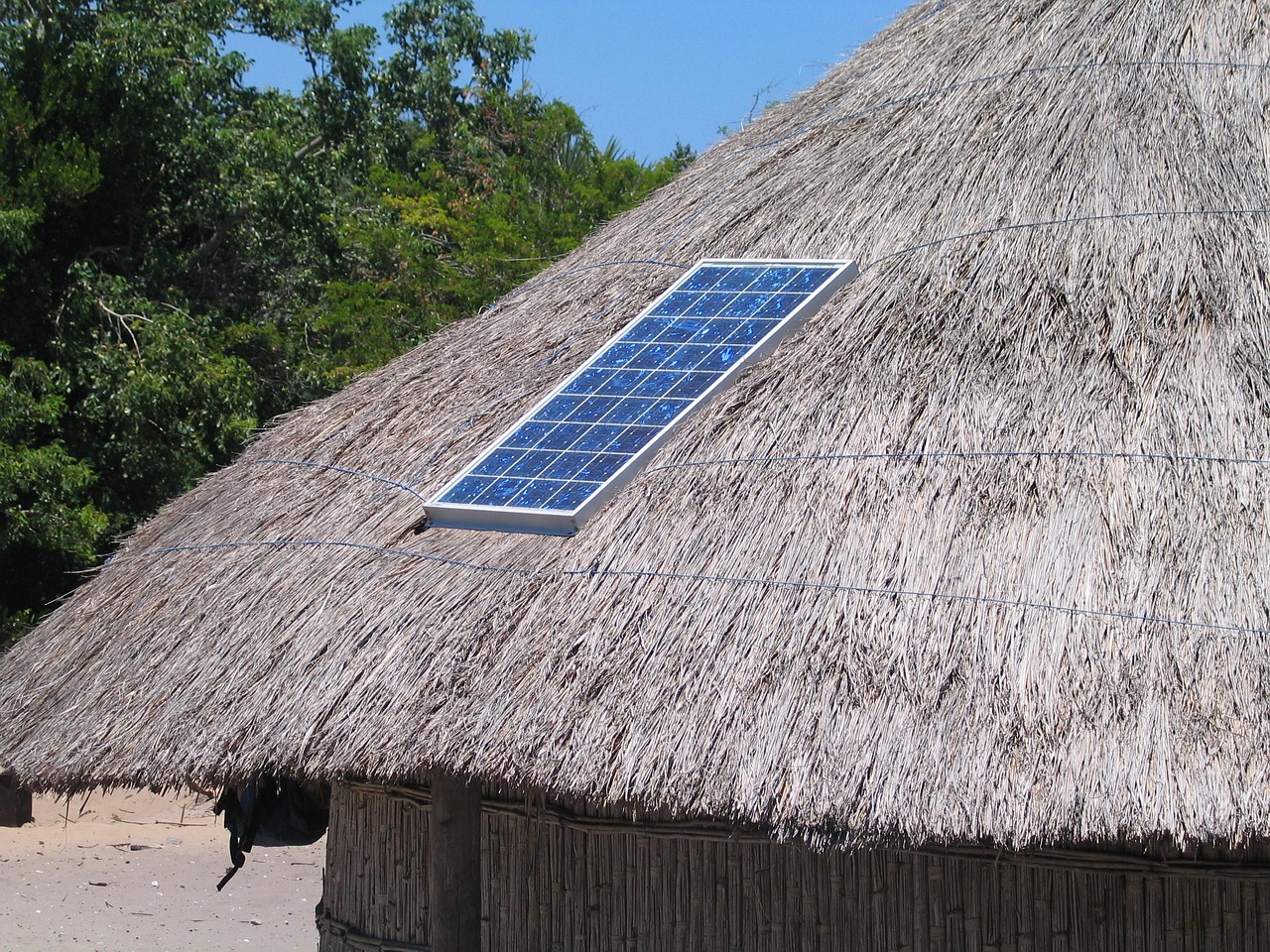
Solar panels absorb photons from sunlight, generating direct current (DC) electricity. Advanced systems use two-dimensional PSD (Position-Sensitive Detector) technology to optimize panel alignment, reducing tracking errors to less than 2 degrees horizontally and 1 degree vertically for maximum efficiency.
- Energy Storage
The DC electricity charges a built-in battery (e.g., 512Wh, 1024Wh or even up to 2048Wh capacity in Mindtech’s models). High-quality batteries ensure stable storage even in fluctuating weather conditions.
- Power Delivery
The inverter converts stored DC power into AC electricity, enabling compatibility with devices like fans, mobile phones, and lights. Mindtech’s generators feature dual AC/DC outputs, making them versatile for both home and outdoor use.
Solar Power Generation: A Sustainable Alternative
Solar power generation harnesses sunlight to produce electricity, reducing reliance on fossil fuels. Innovations like solar thermal jet refrigeration systems demonstrate its versatility, achieving triple the efficiency of traditional photovoltaic methods. In 2025, global solar installations are projected to grow by 6%, driven by demand in emerging markets like Africa and Asia.
Advantages:
Cost-effective: Solar generators eliminate fuel costs.
Eco-friendly: Zero carbon emissions.
Scalable: Suitable for off-grid homes, businesses, and emergency backup.
How Much Is a Solar Generator in Nigeria?
In Nigeria, solar generator prices vary based on capacity and features. Mindtech Power’s models stand out for their cost efficiency, offering prices 10–30% lower than competitors (Click HERE to contact us). Key factors influencing cost include:
Battery capacity: Higher Wh ratings (e.g., 512Wh vs. 1024Wh) increase pricing.
Durability: Metal casing ensures longevity in harsh climates, making these units popular in Nigeria and Kenya.
Advanced features: Built-in UPS and AC/DC outputs add value without significant cost hikes.
For example:
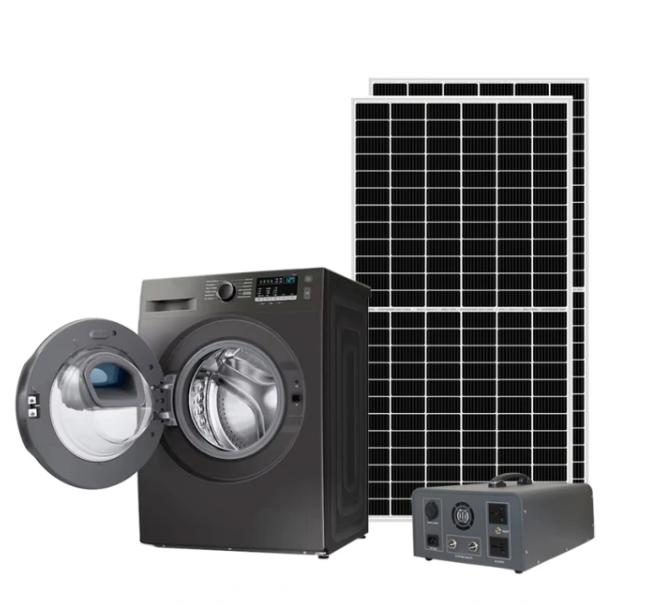
MRD-506, Portable DC Solar Generator 512Wh: Ideal for small households.
MRD511-1000, Portable DC Solar Generator 1024W: Perfect for larger energy needs.
Why Choose Mindtech Power’s Solar Generators?
- Robust Metal Casing: Built to withstand Africa’s extreme weather conditions.
- AC/DC Output Flexibility: Power both household appliances and DC devices.
- UPS Protection: Ensures stable energy supply during grid failures.
- Affordability: Engineered for cost savings without compromising quality.
Final Thoughts
Solar generators are a game-changer for regions like Nigeria, combining sustainability with practicality. With rising global demand and technological advancements—such as improved PSD tracking and thermal efficiency—solar power is poised to dominate the energy landscape. Explore Mindtech Power’s range to find a solution tailored to your needs.


